Rooflights are increasingly recognized for their aesthetic value in home design. They not only illuminate spaces but also serve as striking architectural elements.
Their ability to infuse natural light into a room can profoundly alter the ambiance and perceived volume of a space.
However, the selection and placement of rooflights require careful consideration. How can these features be integrated effectively to enhance both the interior and exterior of a home?
Although many homeowners focus on aesthetics and functionality, the benefits of natural light in home design should not be overlooked. Natural light considerably enhances the ambiance of a space, creating an inviting atmosphere that artificial lighting often fails to replicate.
It can dramatically improve mood and well-being, fostering a sense of connection to the outdoors. Additionally, natural light can reduce the need for artificial lighting during the day, contributing to energy savings and lower utility bills. In addition to its psychological benefits, natural light can accentuate architectural features and interior design elements, making spaces appear larger and more open.
Strategic placement of rooflights can transform dark areas into vibrant, lively zones, enhancing overall home value. By integrating natural light into their designs, homeowners not only elevate their living spaces but also promote a healthier and more sustainable lifestyle. Therefore, understanding the value of natural light is essential in modern home design.
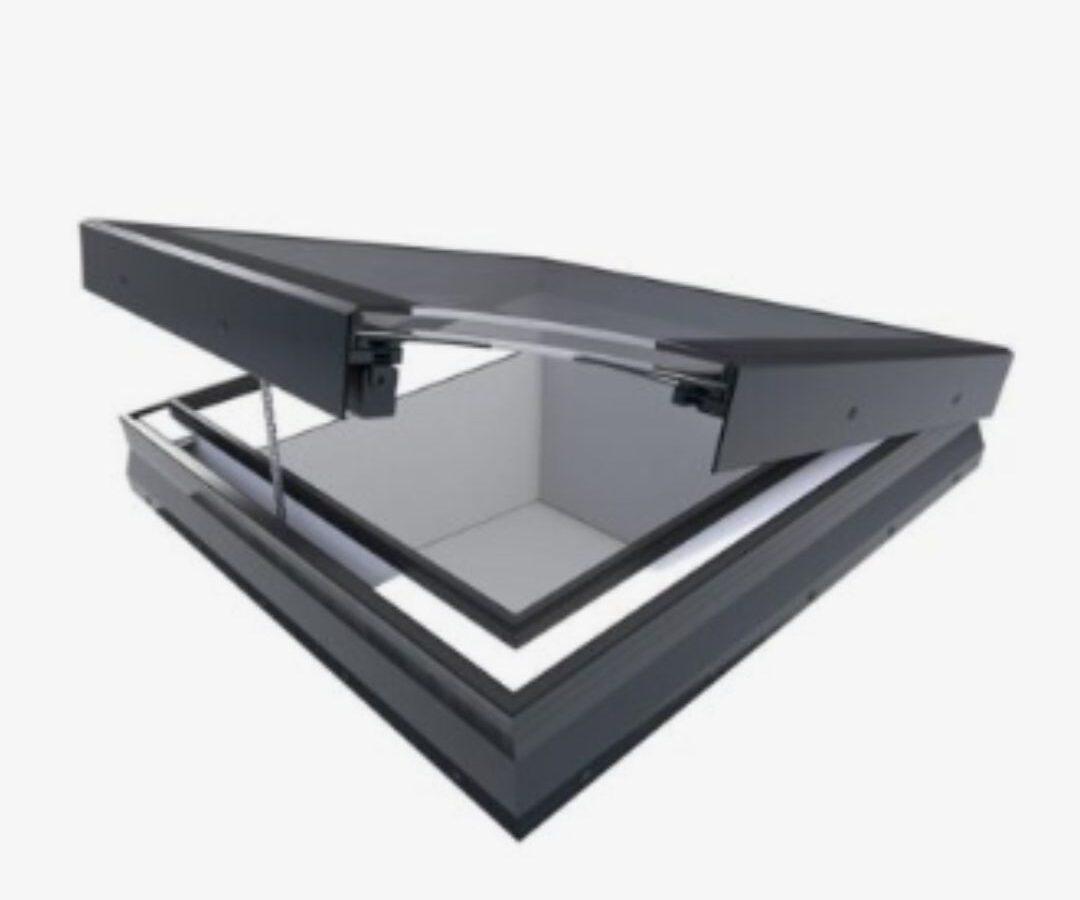
Rooflights have become a pivotal element in modern architecture, enhancing both aesthetics and functionality. Contemporary designs include flat, skylight, and dome options, tailored to suit various architectural styles. Flat rooflights offer a sleek, minimalist appearance, seamlessly integrating with modern roofs.
Skylights, available in multiple shapes and sizes, provide dynamic lighting and ventilation, ideal for urban settings. Dome rooflights, often used in commercial buildings, combine durability with a unique visual appeal. Additionally, innovative features such as automated opening mechanisms and energy-efficient glazing contribute to their practicality.
The versatility of modern rooflights allows homeowners and architects to create stunning interiors while maximizing natural light, transforming spaces into vibrant, inviting areas that harmonize with the surrounding environment.
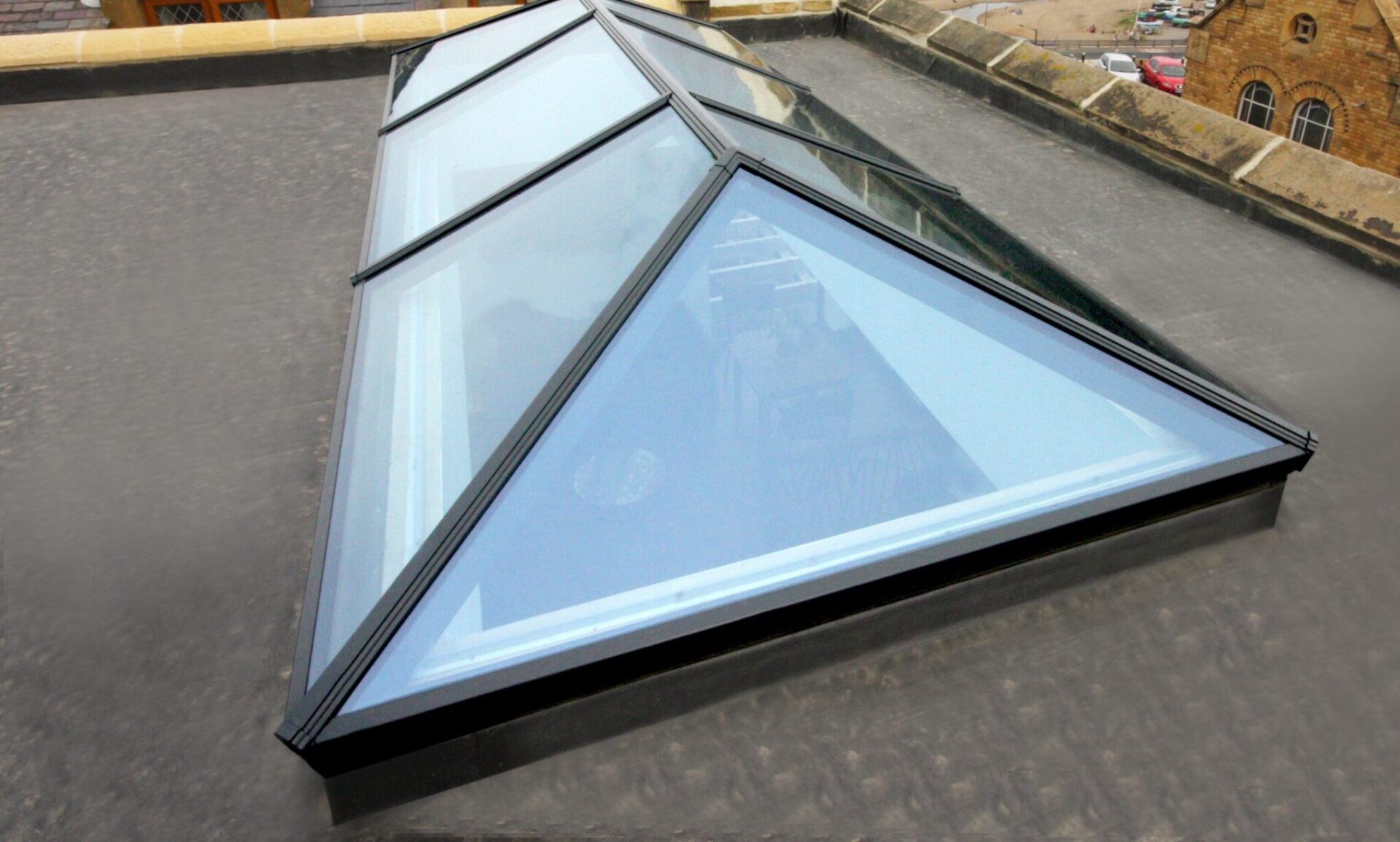
While modern rooflight designs have gained popularity for their sleek and functional attributes, traditional rooflight styles continue to hold a significant place in architectural history. These styles include the classic domed rooflight, often seen in Victorian and Edwardian architecture, which features a rounded top that allows for maximum light entry.
Lantern lights, another traditional option, are characterized by their vertical frames and glass panels, providing an elegant focal point in larger spaces. Skylights with leaded glass designs reflect historical craftsmanship and add a touch of artistry to interiors.
Each style offers unique aesthetic benefits, contributing to the timeless appeal of traditional architecture and enhancing both the exterior and interior of homes.
Natural light greatly enhances interior spaces, creating an inviting atmosphere that promotes well-being and productivity. Rooflights serve as an essential source of natural illumination, reducing reliance on artificial lighting and lowering energy costs.
The influx of sunlight can improve mood and mental health, fostering a sense of tranquility within the home. Additionally, exposure to natural light has been linked to increased concentration and creativity, making spaces more conducive to work and relaxation alike.
By strategically placing rooflights, homeowners can optimize light distribution, ensuring even brightness throughout the area. This thoughtful integration not only enhances aesthetic appeal but also encourages a healthier lifestyle, making rooflights an invaluable addition to modern interiors.
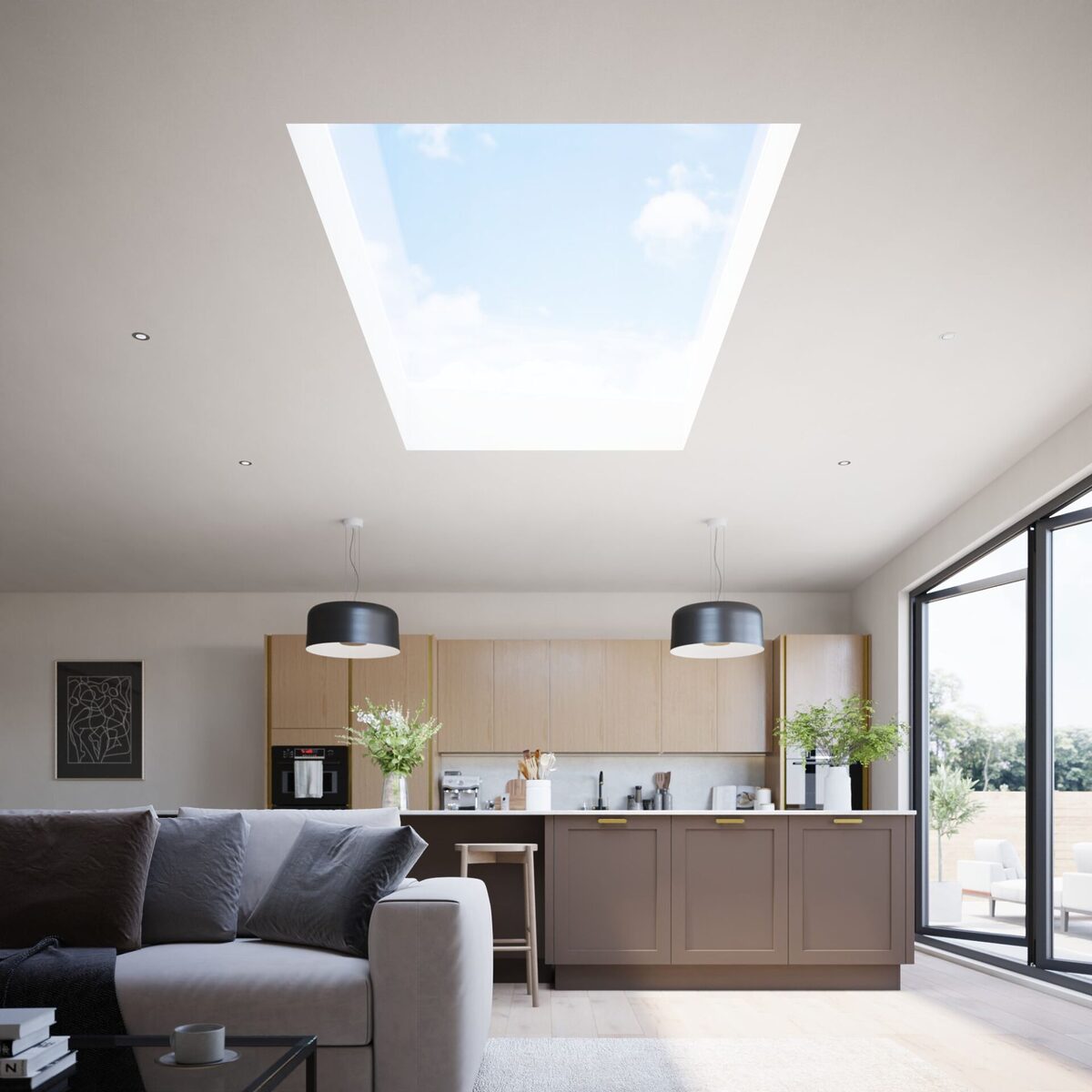
When incorporated thoughtfully, rooflights can dramatically transform the perception of space within interiors. By allowing natural light to flood in from above, they create a sense of openness and airiness that traditional windows may not achieve. This influx of light enhances the visual dimensions of a room, making it feel larger and more inviting.
Rooflights can also draw the eye upward, emphasizing height and architectural features, which further contributes to the illusion of expansive space. Additionally, the interplay of light and shadow throughout the day can add dynamic visual interest, enriching the overall ambiance.
As a result, rooflights not only illuminate but also elevate the experience of interior environments, fostering a more comfortable and expansive living area.
While many elements contribute to successful interior design, the inclusion of rooflights stands out for its ability to enhance versatility across various styles and settings. These architectural features allow natural light to flood spaces, creating an inviting atmosphere that complements both modern and traditional aesthetics.
Rooflights can transform a minimalist setting by adding a touch of warmth, while also enhancing the sophistication of a contemporary design. Additionally, they enable homeowners to play with shadows and textures, enriching the visual experience within a room.
This adaptability makes rooflights an essential tool for interior designers, as they can seamlessly integrate into diverse environments, from cozy living rooms to expansive kitchens, enhancing the overall harmony and functionality of the space.
Rooflights typically cost between $300 and $1,500 for installation, depending on factors such as size, materials, and complexity of the project. Additional expenses may arise from structural modifications or permits required for installation.
Yes, specific building codes for rooflight installations exist, varying by region. These codes typically address structural integrity, safety, energy efficiency, and proper installation methods to guarantee compliance with local regulations and standards.
Yes, one can install a rooflight in a flat roof. However, it is crucial to take into account structural integrity, waterproofing, and local building regulations before proceeding with the installation to guarantee safety and compliance.