Homeowners often face the challenge of unwanted pests invading their living spaces. Effective pest control requires strategic measures to prevent these intrusions.
Simple actions can make a significant difference in safeguarding homes. Understanding the key principles of pest prevention is vital.
As pests continue to adapt, it becomes imperative to explore the most effective methods to maintain a pest-free environment. What steps can be taken to guarantee long-term protection?
To effectively combat pest invasions, homeowners should prioritize sealing entry points that allow access to their properties. Common vulnerabilities include gaps around doors, windows, and foundations, as well as utility lines and vents.
By diligently inspecting these areas, homeowners can identify potential ingress points. Utilizing materials such as caulk, weatherstripping, and mesh screens can effectively block unwanted entry. It is also essential to regularly maintain these seals, as wear and tear can create new openings.
By taking these proactive measures, homeowners greatly reduce the likelihood of pest infestations and create a more secure living environment for their families.
A clean home greatly reduces the risk of pest infestations. Regular cleaning routines, including sweeping, vacuuming, and dusting, eliminate crumbs and residues that attract unwanted visitors. Cluttered spaces provide hiding spots for pests, making it essential to keep areas organized and tidy.
Additionally, promptly addressing spills and stains prevents the buildup of organic material that can lure insects. Regularly disposing of garbage and ensuring trash bins are sealed also helps deter pests.
By maintaining a clean environment, homeowners create an uninviting atmosphere for pests, considerably lowering the likelihood of infestations and promoting a healthier living space.

Effective food storage techniques play a significant role in pest prevention. Keeping food in airtight containers minimizes the attraction for pests such as rodents and insects. Labeling containers helps maintain organization and guarantees that older items are used first, reducing waste.
Additionally, storing food in cool, dry places slows spoilage and deters pests. Regularly checking for leaks or spills is essential, as these can create a conducive environment for infestations.
It is also advisable to promptly dispose of expired food items. By implementing these strategies, homeowners can effectively reduce the risk of unwanted invaders in their living spaces.
While many people turn to chemical solutions for pest control, utilizing natural repellents can be an effective and eco-friendly alternative. Essential oils such as peppermint, lavender, and tea tree oil are known for their pest-repelling properties.
Homeowners can create sprays by diluting these oils in water and applying them in areas prone to infestations. Additionally, diatomaceous earth, a natural powder made from fossilized algae, can deter insects when sprinkled in problem areas.
Citronella candles and vinegar solutions also act as deterrents, creating an unpleasant environment for unwanted invaders without harming the ecosystem or indoor air quality.
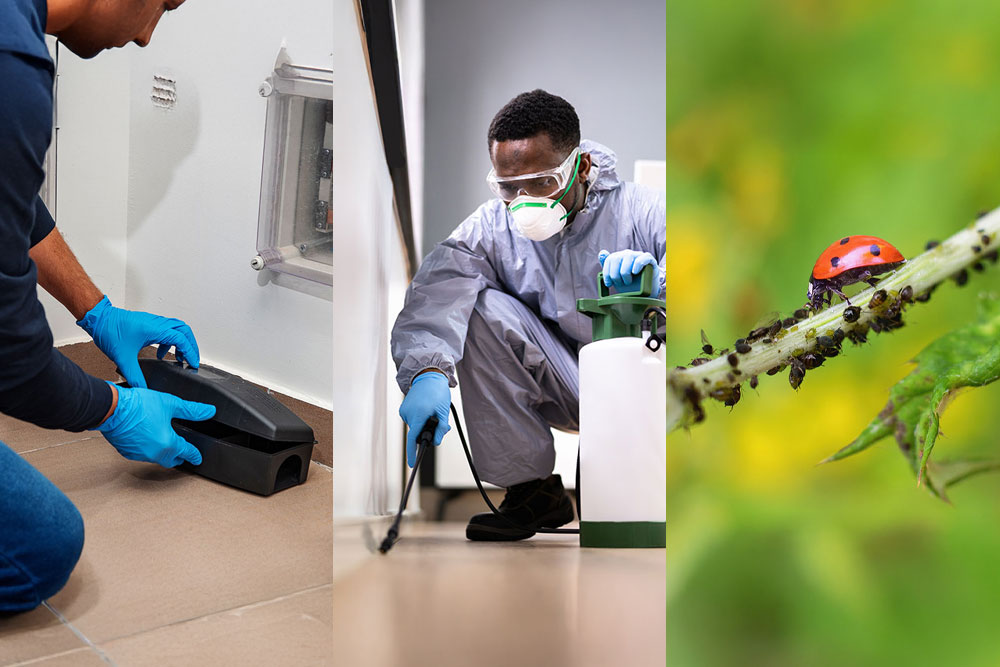
Maintaining a pest-free environment requires more than just natural repellents; it also involves regular inspections and maintenance of the property. Homeowners should conduct routine checks for signs of pest activity, such as droppings, nests, or damage to structures.
Inspecting entry points, including windows and doors, is essential for identifying potential vulnerabilities. Regular maintenance, such as sealing cracks and gaps, can greatly reduce the risk of infestations.
Keeping the yard well-trimmed and removing debris also discourages pests from taking residence. By prioritizing inspections and maintenance, homeowners can effectively safeguard their living spaces from unwanted invaders and guarantee long-term protection.
When should homeowners consider enlisting the help of professional exterminators? If a pest infestation exceeds their ability to manage it, or when DIY methods fail, seeking professional assistance becomes vital. Signs such as extensive damage, persistent sightings, or health concerns indicate a need for expert intervention.
Additionally, specific pests, like termites or bed bugs, often require specialized treatments beyond standard home remedies. Homeowners should also act promptly if they encounter a significant increase in pest activity, as delays can lead to worsening problems.
Ultimately, engaging professionals guarantees a thorough and effective solution to safeguard the home from unwanted invaders.
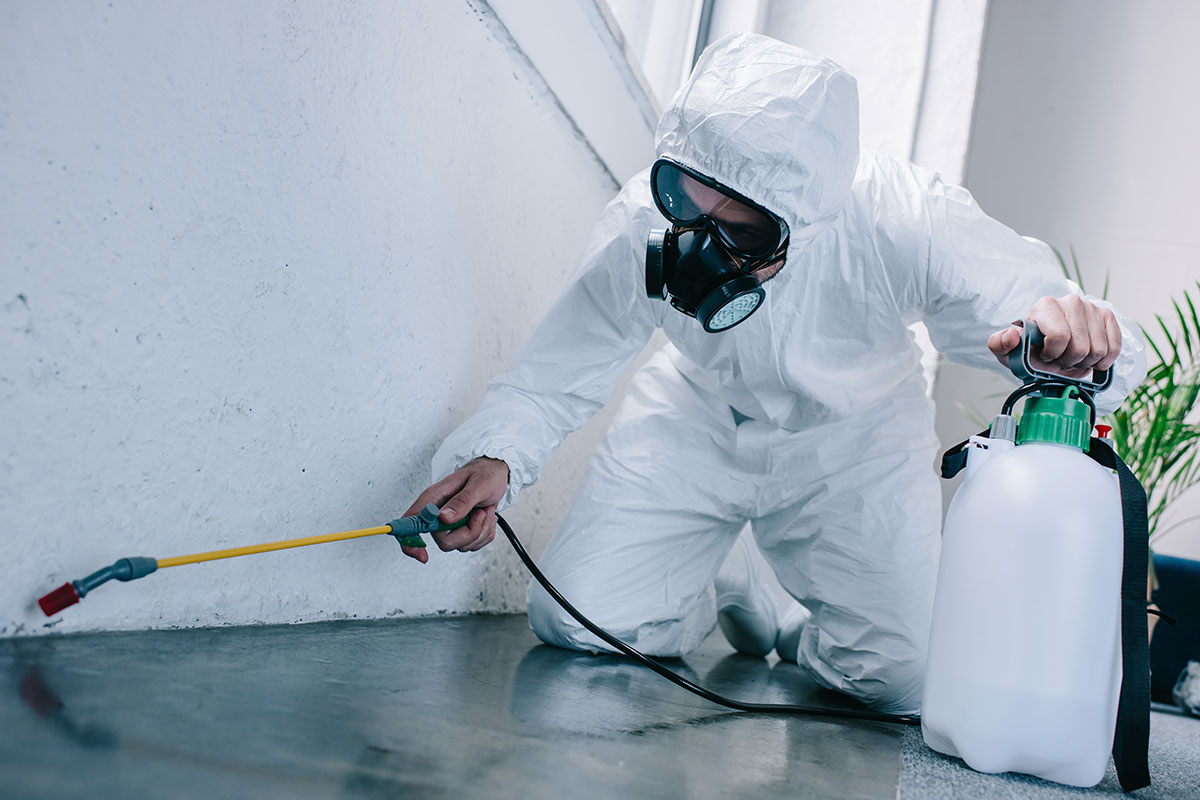
Natural pest control solutions typically take longer to show results compared to traditional methods. Depending on the specific pest and the treatment used, it can range from a few days to several weeks for noticeable effects. Factors such as the severity of the infestation, environmental conditions, and the application method also influence the timeframe. Patience and consistent application are often required for these eco-friendly alternatives to effectively manage pest issues.
To determine if a product is truly eco-friendly, one should look for certifications from recognized organizations, such as the EPA's Safer Choice label. Checking the ingredient list for natural, non-toxic components is crucial, as well as researching the manufacturer’s sustainability practices. Additionally, reviews and transparency about the product's environmental impact can provide insight. Engaging with third-party evaluations or environmental watchdogs can also help guarantee the product meets eco-friendly standards.
Signs of a serious pest infestation include the presence of droppings, gnaw marks, and nests, as well as unusual odors. Homeowners may also notice damage to food containers or furniture. Additionally, sightings of pests, such as rodents or insects, during the day can indicate a significant issue. Barking or unusual behavior from pets might suggest their awareness of pests. Unexplained bites on humans or pets further signal an urgent need for pest control intervention.