Thorough tuition chemistry programs designed for every student focus on individual learning preferences.
These programs employ various innovative methods to guarantee that complex concepts are accessible and engaging. By integrating personalized support and adaptive resources, they address unique challenges faced by learners.
The effectiveness of this approach raises questions about its impact on student motivation and understanding. What specific strategies contribute to this success?
How do different learning styles impact the understanding of chemistry concepts? In chemistry education, students exhibit diverse learning preferences, which greatly influence their grasp of complex topics. Visual learners benefit from diagrams, charts, and videos that illustrate molecular structures and reactions, enhancing their ability to visualize abstract concepts.
Auditory learners excel when information is presented through lectures and discussions, allowing them to engage with the material verbally. Kinesthetic learners thrive in hands-on laboratory settings, where they can conduct experiments and observe chemical phenomena in real-time. Understanding these varied approaches enables educators to tailor their teaching methods, fostering a more inclusive learning environment.
By recognizing individual differences in learning styles, instructors can develop strategies that cater to each student's strengths, ultimately improving comprehension of chemistry. This adaptability not only enhances student engagement but also promotes a deeper understanding of chemical principles, paving the way for academic success in the subject.
While traditional teaching methods often adopt a one-size-fits-all approach, personalized learning in chemistry offers distinct advantages that cater to individual student needs. This tailored approach acknowledges that each student has unique strengths, weaknesses, and learning preferences, enabling educators to design lessons that resonate with specific learners.
One significant benefit is the ability to pace the curriculum according to each student's comprehension level, facilitating deeper understanding and retention of complex concepts. Additionally, personalized learning fosters greater engagement, as students are more likely to participate actively when the material aligns with their interests.
Moreover, individualized feedback allows for timely interventions, helping students overcome challenges before they escalate. By focusing on mastery rather than mere completion, personalized learning cultivates a sense of ownership and motivation in students, ultimately leading to improved academic performance and a more profound appreciation for the subject of chemistry.
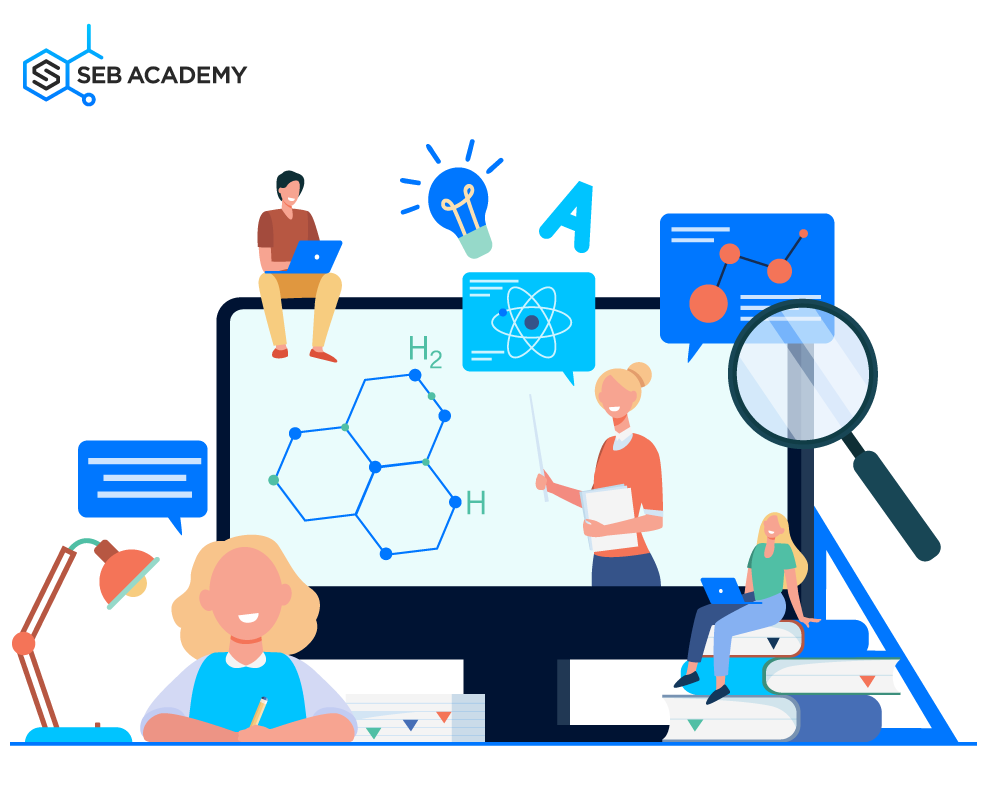
What strategies can enhance the effectiveness of chemistry tutoring? Interactive learning techniques stand out as a pivotal approach. These methods engage students actively, promoting deeper understanding and retention of complex concepts.
Techniques such as group discussions, hands-on experiments, and digital simulations allow learners to visualize and manipulate chemical reactions, making abstract ideas more tangible. Incorporating gamification elements, like quizzes and competitive challenges, can further motivate students to participate and foster a collaborative learning environment.
Additionally, using real-time feedback during interactive sessions enables tutors to address misconceptions promptly, tailoring their teaching strategies to individual needs. By prioritizing student engagement through these interactive techniques, chemistry tutoring can transform into a dynamic and effective educational experience.
Real-world application examples serve as powerful tools in enhancing chemistry tutoring by connecting theoretical concepts to everyday experiences. Tutors can illustrate chemical principles through relatable scenarios, such as discussing the role of acids and bases in cooking or the chemistry behind cleaning products.
These examples not only make learning more engaging but also help students understand the relevance of chemistry in their daily lives. Additionally, projects that involve analyzing the chemical composition of household items or exploring environmental issues can further solidify understanding.
By integrating these practical applications, students are more likely to grasp complex concepts and retain knowledge. Ultimately, incorporating real-world examples into tutoring fosters a deeper appreciation for chemistry and encourages lifelong learning.

As educational landscapes evolve, the integration of adaptive resources in chemistry programs becomes increasingly essential for enhancing student engagement and comprehension. These resources, which include interactive simulations, personalized learning platforms, and adaptive assessments, cater to diverse learning styles and paces. By providing tailored content, they help students grasp complex concepts more effectively.
Furthermore, adaptive resources facilitate immediate feedback, allowing learners to identify their strengths and weaknesses in real-time. This personalized approach fosters a more supportive educational environment, encouraging students to take ownership of their learning journey. Additionally, the use of technology in these resources can make learning more appealing, drawing in students who may struggle with traditional methods.
Ultimately, the incorporation of adaptive resources serves to bridge gaps in understanding, empower students, and promote a deeper appreciation for chemistry. Their significance in modern educational frameworks cannot be overstated, as they align with the needs of contemporary learners.
Many students struggle with the complexities of chemistry, making personalized learning strategies essential for academic success. Tailored approaches enable students to engage with the material in ways that align with their unique learning styles.
For example, visual learners might benefit from diagrams and interactive models, while auditory learners may excel in discussions and lectures. Additionally, these strategies can incorporate tools such as adaptive learning software that adjusts to a student's pace and comprehension level.
By identifying individual strengths and weaknesses, personalized strategies can foster a deeper understanding of core concepts and improve problem-solving skills. Ultimately, addressing the specific needs of each student can enhance motivation and drive, leading to more effective chemistry education outcomes.
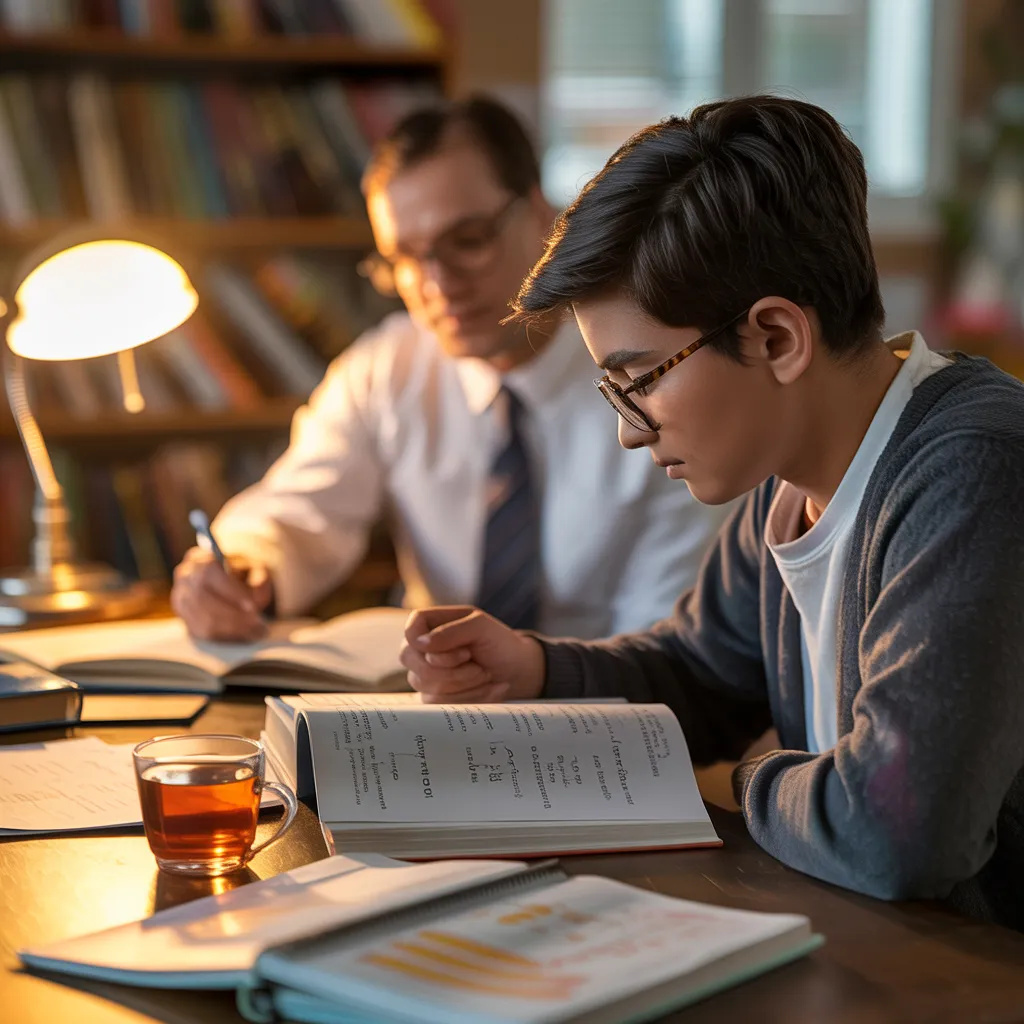
Typically, a chemistry tuition session lasts between one to two hours. This duration allows sufficient time for concept explanations, problem-solving practice, and student inquiries, ensuring effective comprehension and retention of the material being taught.
In a trial chemistry tuition session, one should expect an introduction to the tutor�s teaching style, a review of fundamental concepts, interactive problem-solving, and an assessment of the students understanding and areas needing improvement.
To assess a childs progress in chemistry tuition, one should monitor test scores, homework completion, and understanding of concepts. Regular communication with the tutor and observing the childs confidence and engagement during lessons can also provide insights.