Finding the right fly fishing shop can greatly impact an angler's experience. Quality gear and knowledgeable staff are essential for traversing local waters effectively.
Many shops offer personalized advice and foster a community spirit among enthusiasts. As anglers search for top-rated shops nearby, they may wonder which establishments truly stand out.
Exploring the key factors to contemplate and the benefits of local shopping could reveal some surprising insights.
When searching for a fly fishing shop, what factors should one consider to guarantee a satisfying experience? First, the shop's selection of gear is vital; it should offer a variety of rods, reels, lines, and flies suitable for different fishing conditions.
Knowledgeable staff is essential, as experienced anglers can provide valuable advice on local fishing spots, techniques, and equipment. In addition, the atmosphere of the shop can enhance the shopping experience; a welcoming and friendly environment often leads to better customer service.
Moreover, checking for workshops or classes can indicate a commitment to fostering the fishing community. Finally, compare prices and look for promotions, ensuring that one receives quality gear without overspending. Overall, these factors contribute to a rewarding fly fishing shopping experience.
Shopping locally for fly fishing gear not only supports the community but also enhances the overall fishing experience. Local shops often provide personalized service, allowing customers to receive tailored advice based on regional fishing conditions and species.
This expertise can lead to better fishing outcomes, as knowledgeable staff can recommend the right gear and techniques specific to local waters. Additionally, shopping in person fosters a sense of community among anglers, creating opportunities for networking and sharing experiences.
Local shops frequently host events, workshops, and guided trips, enriching the fly fishing culture. By choosing to shop locally, anglers contribute to the economy and promote sustainable practices, ensuring that the sport thrives in their area for future generations.
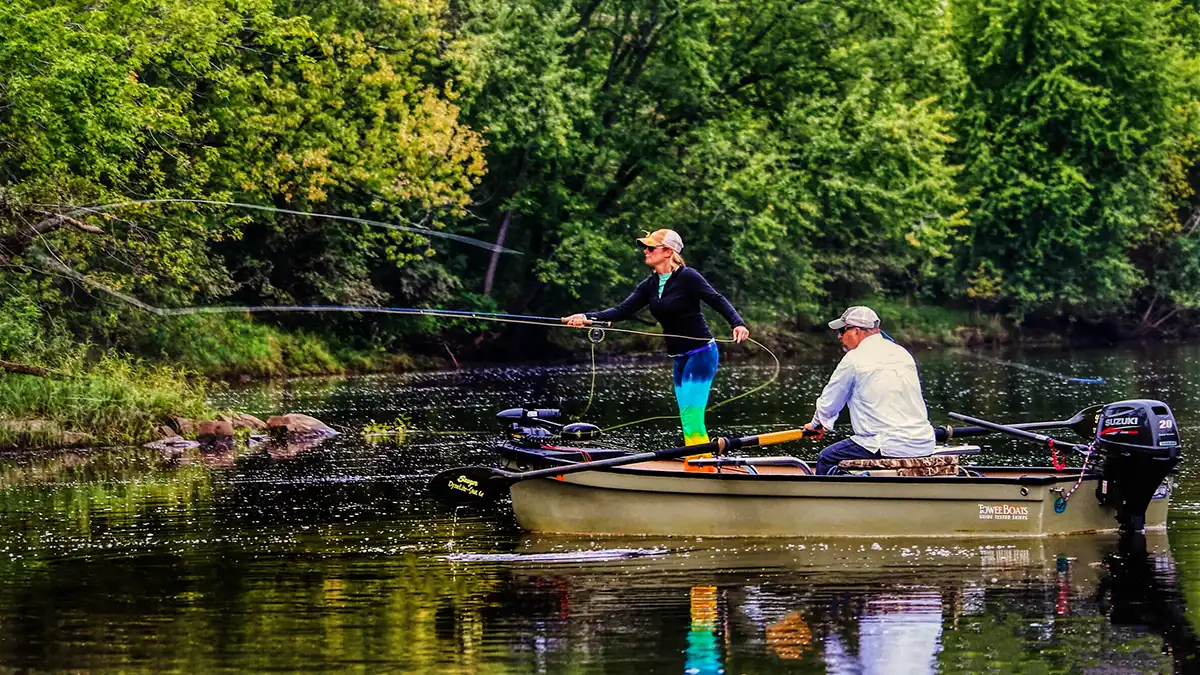
While anglers may have their personal favorites, several top fly fishing shops stand out across various regions for their exceptional service and product offerings. In the Northeast, shops like The Flyfisher's Shop in Pennsylvania provide knowledgeable staff and a wide selection of gear.
The Midwest boasts Orvis in Michigan, known for its quality products and expert guidance. On the West Coast, shops like The Fly Shop in California offer an extensive range of flies and tackle.
In the South, anglers can rely on Sweetwater Outfitters in Tennessee for personalized service and local insights. Each of these shops not only sells gear but also fosters a community of passionate fly fishers, making them essential destinations for enthusiasts.
How does one navigate the myriad options available when selecting fly fishing gear? The key lies in understanding individual needs and preferences. It's essential to reflect on factors such as the type of fishing environment, targeted fish species, and personal skill level.
Consulting experienced anglers can provide invaluable insights, as they often share practical tips based on real-world experiences. Visiting local fly fishing shops allows one to physically handle gear, ensuring it feels comfortable and suits specific requirements.
Additionally, knowledgeable staff can offer tailored recommendations, guiding novices and experts alike through the selection process. Ultimately, the right gear enhances the fishing experience, making informed choices vital for success on the water.
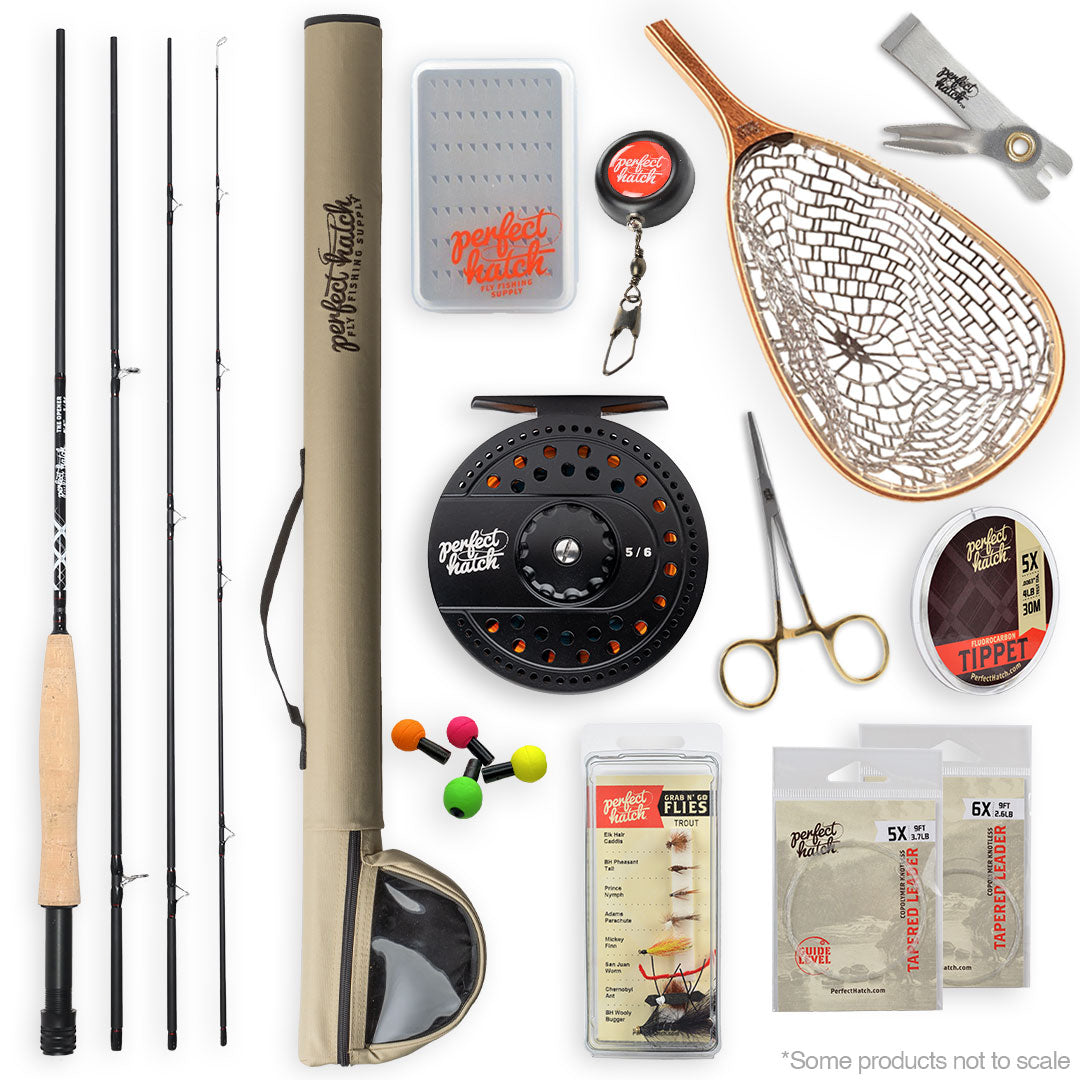
A few essential pieces of gear can greatly enhance a beginner's fly fishing experience. First, a quality fly rod and reel combo is vital, providing the right balance and ease of use. Beginners should also invest in a selection of flies, including dry flies, nymphs, and streamers, to adapt to varying fish preferences.
A sturdy fishing vest or pack is advantageous for storing essentials like tippet material, line, and tools. Additionally, polarized sunglasses help reduce glare on the water, improving visibility.
Finally, a reliable wading system, including boots and waterproof clothing, guarantees comfort while traversing aquatic environments. With these essentials, beginners will be well-equipped to enjoy their fly fishing adventures.
When seeking local fishing spots, anglers often turn to expert recommendations for the best opportunities to catch fish. Local guides and experienced fishermen frequently suggest rivers, lakes, and streams known for their abundant fish populations. For instance, many praise the crystal-clear waters of the Smith River, which offers excellent trout fishing.
Similarly, the tranquil atmosphere of Lake Blue provides a perfect backdrop for both novice and seasoned anglers. Experts also highlight the importance of timing, noting that early mornings and late evenings yield the best results.
Additionally, seasonal changes can affect fish behavior, making it crucial to stay informed about local conditions. By considering these expert insights, anglers can enhance their fishing experiences and increase their chances of success.
The best time of year for fly fishing largely depends on the specific location and target species. Generally, spring and fall are considered prime seasons due to favorable water temperatures and insect activity. In warmer regions, summer may also offer excellent opportunities, particularly early in the morning or late in the evening. Conversely, winter can be productive in milder climates. Ultimately, local conditions and fish behavior should guide your timing for ideal success.
Yes, many fly fishing shops now offer eco-friendly gear options, reflecting a growing commitment to sustainability within the industry. These products often include biodegradable lines, recycled materials for rods and reels, and environmentally friendly accessories. When seeking eco-friendly gear, it is advisable to inquire directly with local shops about their sustainable offerings. Additionally, online retailers may provide extensive selections, allowing anglers to make environmentally conscious choices that align with their fishing practices.
Choosing the right fly fishing location involves several considerations. First, assess the type of fish you wish to target, as different species inhabit various environments. Research local water bodies, including rivers, lakes, and streams, noting seasonal patterns and weather conditions. Additionally, evaluate accessibility and regulations for each location. Engaging with local anglers or fishing guides can provide valuable insights, enhancing your chances of a successful and enjoyable fishing experience.