Promotional products have become an essential element in business marketing strategies. Their ability to enhance brand visibility and foster customer loyalty is well-documented.
However, the selection and design of these items require careful consideration. Understanding the nuances of effective distribution and measuring outcomes can greatly influence success.
As businesses explore these facets, they may uncover insights that redefine their approach to promotional campaigns. What specific strategies will yield the highest impact?
Although many businesses recognize the value of traditional marketing methods, they often overlook the significant impact of promotional products. These tangible items serve as reminders of a brand, offering potential customers a physical connection that digital ads cannot replicate.
By distributing promotional products, companies create opportunities for brand visibility and customer engagement. Such items can enhance brand awareness, as recipients often use or display them, extending their reach to new audiences.
Additionally, promotional products can foster customer loyalty; when consumers receive useful items, they associate positive feelings with the brand. Ultimately, integrating promotional products into marketing strategies can yield measurable benefits, distinguishing a business in a competitive landscape and reinforcing its message in a memorable way.
When selecting promotional items, businesses should consider their target audience and brand message to guarantee relevance and effectiveness. Understanding the demographics, preferences, and behaviors of potential customers is essential.
For instance, tech-savvy individuals may appreciate gadgets, while eco-conscious consumers might prefer sustainable products. Additionally, aligning the promotional items with the brand's identity helps reinforce the message.
For example, a fitness brand might choose water bottles or workout gear, while a corporate firm might lean towards office supplies or high-quality stationery. Quality matters, as well; low-quality items can negatively impact brand perception. Ultimately, the right promotional items should not only capture attention but also foster engagement and loyalty among customers, making them an integral part of a successful marketing strategy.
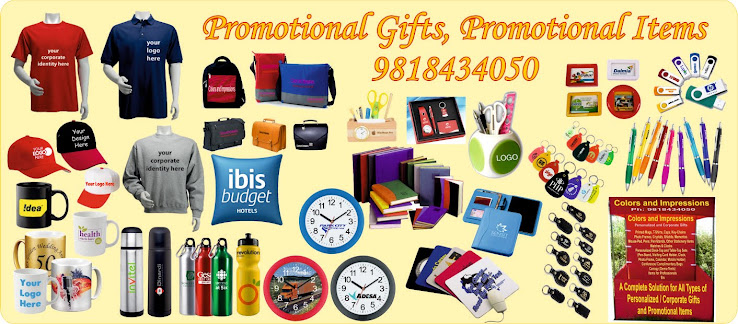
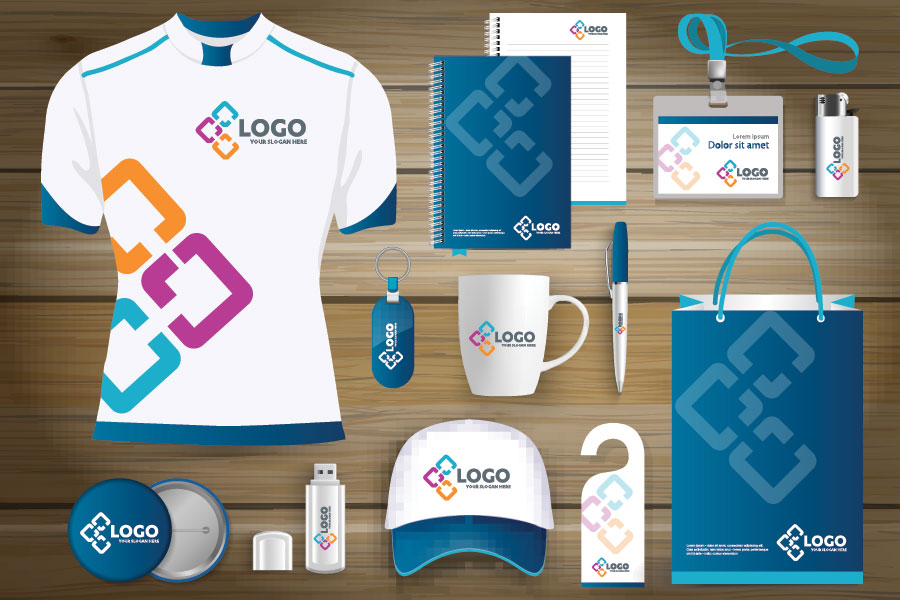
Unique and eye-catching designs are essential for custom promotional products to effectively capture attention and leave a lasting impression. To achieve this, businesses should focus on innovative aesthetics that reflect their brand identity.
Bold colors, distinctive shapes, and engaging graphics can elevate a product's visibility in a crowded market. Additionally, incorporating interactive elements, such as QR codes or customizable features, encourages user engagement and enhances the overall appeal. It's important to evaluate the target audience when designing; products should resonate with their preferences and interests.
High-quality materials and finishes also contribute to a premium feel, enhancing perceived value. By prioritizing creativity and originality, businesses can create promotional items that stand out and foster brand loyalty, ultimately driving customer interest and engagement.
Creating visually appealing custom promotional products is only one aspect of a successful marketing strategy; effective distribution is equally important in maximizing their impact. Businesses should consider various channels for distribution, including trade shows, community events, and corporate giveaways.
Engaging employees as brand ambassadors can amplify reach, as they share products within their networks. Additionally, including promotional items in direct mail campaigns or as incentives for online purchases can drive customer engagement.
Strategic partnerships with other businesses can also enhance visibility, as cross-promotional efforts introduce products to new audiences. Ultimately, tailoring distribution methods to target demographics guarantees that promotional products effectively reach and resonate with potential customers, reinforcing brand loyalty and awareness.
How can businesses accurately assess the impact of their promotional product campaigns? To evaluate effectiveness, they should establish clear objectives before launching any campaign. This includes defining metrics such as brand awareness, customer engagement, and sales conversions.
Utilizing surveys and feedback forms can provide valuable insights into customer perceptions and experiences with the products. Additionally, tracking website traffic and social media interactions post-distribution can reveal shifts in consumer interest.
Analyzing sales data during and after the campaign will help determine the financial impact. Implementing promotional codes or unique links can also aid in measuring direct responses. By employing these methods, businesses can gain a thorough understanding of their campaign's effectiveness and make informed adjustments for future initiatives.
As businesses refine their promotional strategies based on campaign effectiveness, staying informed about emerging trends in promotional products becomes increasingly important. Currently, eco-friendly products are gaining traction, reflecting a growing consumer preference for sustainability.
Items made from recycled materials or biodegradable options are not only appealing but also enhance brand image. Additionally, personalization continues to be a significant trend, with consumers favoring unique, customized items that resonate on a personal level.
Tech gadgets, such as USB drives and wireless chargers, are also popular, tapping into the digital lifestyle. Finally, multifunctional products that offer utility, like tote bags with built-in phone chargers, are increasingly sought after, ensuring that promotional items remain relevant and practical for consumers.
To choose the right promotional product, one must first identify the target audience and their preferences. Understanding the brand's message and core values is essential, as the product should align with these elements. Additionally, considering practicality and usability increases the likelihood of the product being retained. Conducting market research and analyzing competitors can offer insights into effective options. Finally, budget constraints should be evaluated to guarantee a balance between quality and cost.
When using promotional products, various legal considerations must be addressed. Companies should guarantee compliance with intellectual property laws, avoiding the unauthorized use of trademarks or copyrighted designs. Additionally, safety regulations must be adhered to, particularly for products intended for children. It's essential to provide accurate labeling and avoid deceptive advertising practices. Finally, businesses should be aware of any local laws regarding promotional giveaways to avoid potential legal repercussions.
To budget for promotional product campaigns effectively, one should start by defining clear objectives and target audiences. Next, research costs associated with various products and suppliers, ensuring to account for design, production, and shipping expenses. Prioritize products that align with the brand�s message while considering quantity discounts. Finally, allocate a portion of the budget for unforeseen expenses and track spending closely to adjust tactics as necessary for future campaigns.